
The taxonomic kingdom of fungi includes the common musty thing we see in or out the house or building, known as molds. This fungus multiplies itself by producing microscopic spores that cannot be seen through naked eyes. It manifests in the air and carries with it a musty smell that can be irritating to the nose. Allergens are produced by molds which generally cause a lot of allergic reactions once a person is exposed and inhaled a substantial amount. 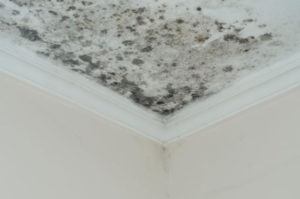 Potentially toxic substances such as mycotoxins are also produced by molds imposing health threats that are sometimes deadly. Illnesses such as BRI or Building Related Illnesses and SBS or Sick Building Syndrome are some of the major effects implicating the presence of molds. Regular exposure to molds incites a lot of respiratory-related diseases not just in adults but also in young ones causing early onset of asthma and other allergic reactions. Moreover, inhaling or touching molds or just merely exposing oneself to molds can irritate the nose, skin, eyes, throat, and lungs.
HOW TO INSPECT AND EVALUATE MOLDS
If there is a cited presence of molds, try to investigate and inspect and then further evaluate the molds. There is a suggested guideline on how to do mold testing or mold inspection. Following this simple guideline will enable one to have a clear understanding of the possible causes of molds. The first set of questionnaires deals with the status or condition of the place.
1. The smell test.: Is the scent of the house or building musty, moldy, stale or rotten?
2. The visual test: Are there any possible signs of water damage in the area?
3. The leak test: Has the area suffered from a leaking basement, a leaking roof a leaking water pipe?
4. The overflow test: Has the area suffered from a sewer or sink overflow?
5. The water problem test: Has the area suffered from any form of water problems?
This second set of questionnaire involves the physical ailment conditions that some of the tenants or users of the area suffers.
1. Headaches
2. Dizziness
3. Flu-like syndromes
4. Fatigue
5. Irritation of the nose, eyes, or throat
6. skin rashes
7. runny nose
8. sinus congestion
9. sneezing
10. nausea
11. coughing
12. restlessness
Once almost all of the answers to the queries are YES, then the answers lead to the obvious presence of molds in the area. Proper collection of molds samples can be taken and then submitted to a legally known mold evaluator experienced in evaluating and classifying molds as to their form, effects, and nature. Proper evaluation results are expected from the evaluating agency so as to inform the client of its further effect.
After thorough inspections and evaluations were done, all the answers to the first set of questionnaires must be a NO. How? Simply by implementing a dry and clean environment and keeping all possible causes of mold eliminated. This is not just to prevent the spread of molds but also to prevent getting infected by the threats a mold could bring.